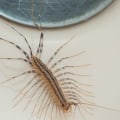
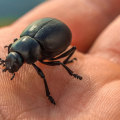
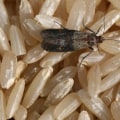
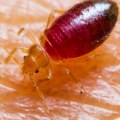
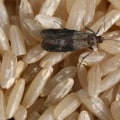
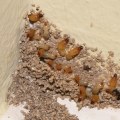
Poorly maintained outdoor spaces often become breeding grounds for pests that eventually make their way indoors. When yards are cluttered with debris, overgrown vegetation, or standing water, they create ideal environments for insects and small animals to thrive. These pests don’t remain outside for long—once they find easy access points such as cracks, gaps, or open doors, they quickly move indoors in search of food, shelter, and warmth. Understanding the connection between outdoor conditions and indoor infestations is the first step in preventing pest problems.
Common Pests That Transition Indoors
Several types of pests commonly move from neglected outdoor spaces into homes. Ants are among the most frequent invaders, often forming colonies in soil or under debris before entering kitchens in search of food. Cockroaches thrive in damp, cluttered areas and can easily migrate indoors through small openings. Rodents such as mice and rats are also attracted to unkempt yards, especially when food sources and shelter are readily available. Additionally, mosquitoes and flies breed in standing water and can quickly become a nuisance both outside and inside the home. These pests not only cause discomfort but can also pose health risks.
The Role of Lawn Maintenance in Pest Prevention
Regular lawn maintenance is a key factor in reducing the likelihood of pest infestations. Keeping grass trimmed, removing fallen leaves, and clearing debris eliminates many of the hiding spots that pests rely on. Proper maintenance also improves drainage, reducing standing water where insects can breed. Using well-maintained equipment makes these tasks easier and more efficient. Homeowners who rely on services like a trusted mower repair in Umatilla FL can ensure their tools remain in good condition, allowing them to maintain their outdoor spaces consistently and effectively.
Addressing Entry Points and Shelter Areas
In addition to maintaining the yard, it’s important to address areas where pests can enter the home. Sealing cracks in walls, repairing damaged screens, and ensuring doors and windows close properly can prevent pests from gaining access. Outdoor structures such as sheds, woodpiles, and garbage bins should also be managed carefully, as they can serve as shelters for pests. Keeping these areas clean and organized reduces the chances of pests establishing themselves near the home.
Creating a Long-Term Prevention Strategy
Preventing indoor pest problems requires a proactive and consistent approach. Regular inspections of both indoor and outdoor areas can help identify potential issues before they escalate. Incorporating preventive measures such as proper waste management, controlled watering practices, and strategic landscaping can further reduce the risk of infestations. By maintaining a clean and well-organized environment, homeowners can create conditions that are less attractive to pests.
Conclusion
Common indoor pests often originate from poorly maintained outdoor spaces, making yard care an essential part of pest prevention. By understanding how pests thrive and taking steps to eliminate their habitats, homeowners can significantly reduce the risk of infestations. Consistent maintenance, proper equipment care, and attention to detail all contribute to a healthier, pest-free living environment. With the right approach, it’s possible to keep both outdoor and indoor spaces clean, safe, and comfortable year-round.